Choose a degree, get a job, climb the ladder, retire. For decades career planning looked like following a map with one highlighted route. That map is now out of date: the green and digital transitions are redrawing the labour market faster than any curriculum can keep up. Entire professions are being transformed, and many of the jobs today’s students will hold do not exist yet. So how do you plan a career when the terrain keeps changing?
Career planning is a “wicked problem”
In management science, a wicked problem is one with no universal solution: every situation is unique, the factors influence one another, and there is no single moment when the problem is definitively “solved”. Career development is exactly that kind of problem. Your knowledge, skills, interests and values interact with a labour market that refuses to stand still. A plan that ignores this complexity gives a comforting illusion of control – until reality intervenes.
The practical conclusion: instead of one rigid plan, career development requires continuous experimentation– trying things out, reading the feedback, and deciding the next step based on where you actually are.
Think like an entrepreneur – about yourself
The word “entrepreneurship” comes from the French entreprendre – to undertake, to strive toward. An entrepreneurial attitude is not reserved for founders of start-ups; it is a way of managing your own professional life. Modern entrepreneurs rarely write hundred-page business plans any more. They work with a business model mindset: they formulate hypotheses, build prototypes, test them on real customers and adjust.
You can treat your career the same way. Instead of asking “what is the one right path for me?”, ask: What value do I create? For whom? With what key resources – and what am I missing? A personal business model canvas puts these questions on a single page and turns career reflection into a design exercise: something you can sketch, test and redesign. Career experiments can be surprisingly small:
- join one project outside your comfort zone and observe what energises you;
- complete a short online course in a field you are curious about – before committing to a degree or a job change;
- interview two people who already do the job you think you want;
- volunteer for a task that tests the skill you are unsure about.
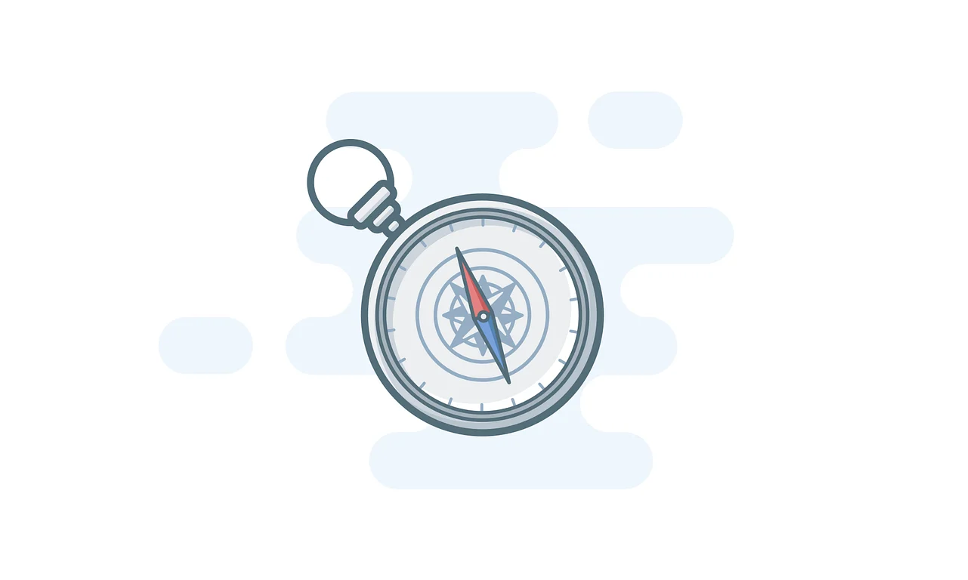
Swap the map for a compass
This is the essence of the approach developed in the BE(A)ST (BE Aware Student) family of international projects: Discover – Experiment – Learn. You will not find a map showing your whole route, because no such map exists. What you can build is a compass – a clear sense of your values, strengths and the value you offer – that lets you navigate each turn as it comes. The methodology combines design thinking, the Designing Your Life approach and business model generation tools, and has been tested with students across Europe.
For educators and career counsellors who want to dig deeper, the approach is described in the open-access book Empowering Students’ Awareness for a Personalized Career Development: An Approach to Discover, Experiment, and Learn (University of Warsaw Press, 2022) – a practical guide to bringing these tools into the classroom.
Source: https://pixabay.com/
Green and digital skills: the new career capital
Whatever direction your compass points, two kinds of competences will raise your employability almost everywhere: digital skills and green skills. The twin transition means that sustainability thinking and digital fluency are no longer niches – they are the common denominator of future jobs. This is precisely where the GreenTech Horizons MOOCs come in: Green Entrepreneurship and Innovation teaches how to design value for people and planet and build sustainable business models, while Digital Literacy & Transformation for Sustainability develops the data and technology skills the market rewards.
Your move
Careers are no longer inherited routes; they are designed, tested and redesigned. Start small: sketch your personal business model, run one experiment this month, and see what you learn about yourself.
What would your career canvas look like today? Explore the free GreenTech Horizons courses at https://greentech-horizons.com/ and add green and digital skills to your compass.
#GreenTechHorizons #CareerDevelopment #GreenSkills #DigitalSkills #Employability #DesignThinking #ErasmusPlus